Clinically guided alcohol treatment
Delivered by Royal Mail
Trusted tracked delivery for approved treatments
Tracked Service
Reliable UK delivery
Next Day
Guaranteed delivery
Saturday Option
+£15 upgrade
Alcohol Dependency
Explore treatments
UK-licensed treatments, designed to fit into your lifestyle and support reduced alcohol cravings and consumption.
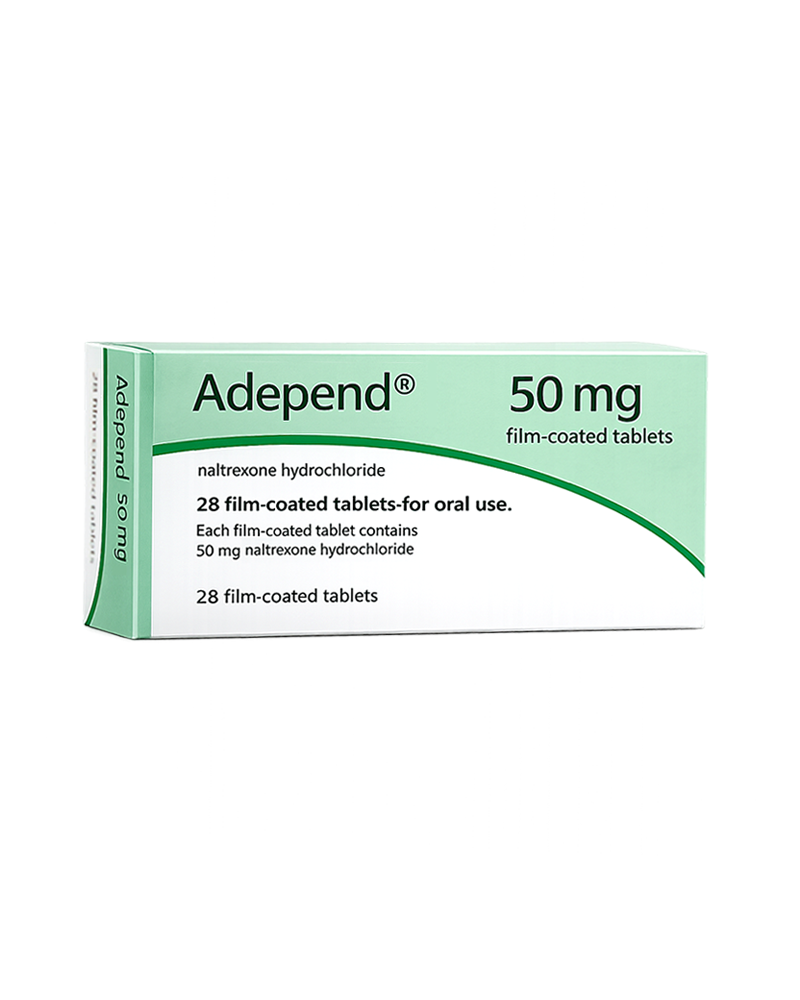
Naltrexone
Opioid receptor antagonist clinically used to reduce alcohol dependence and cravings. Supports long-term recovery by blocking the rewarding effects of alcohol.
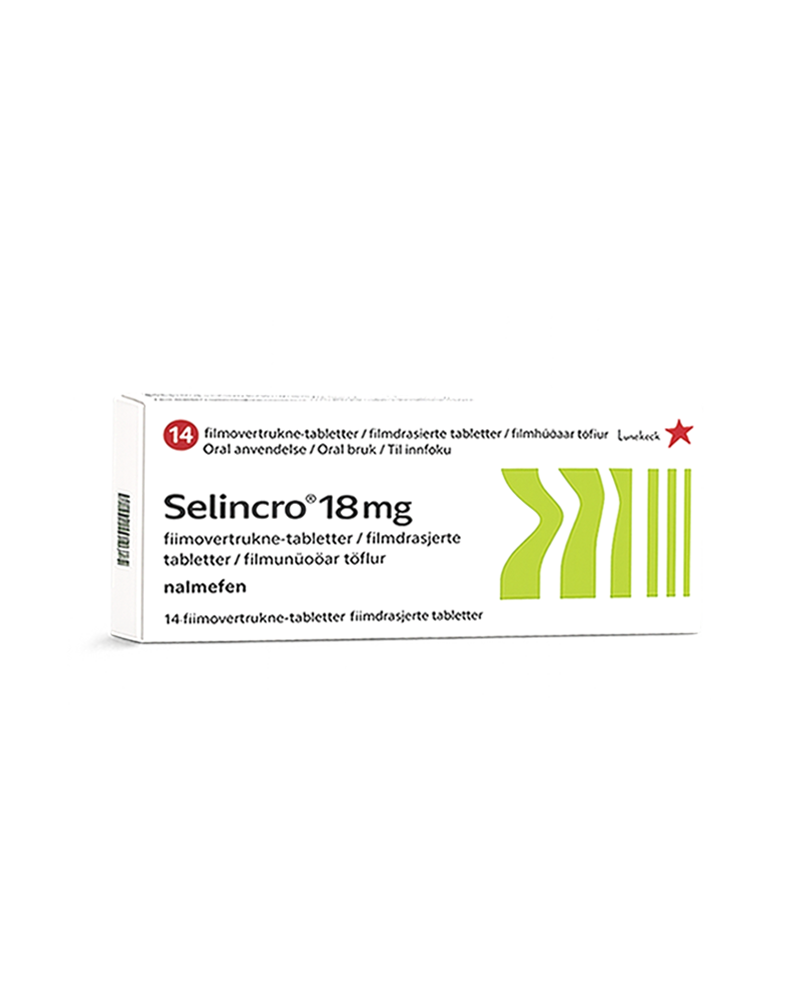
Nalmefene
Opioid system modulator NICE-approved for reducing alcohol consumption. Taken as-needed on days when drinking is anticipated, supporting controlled reduction.
medication
medication
Based on ESENSE trial data. Results vary between individuals and do not constitute medical advice.
How many units could you reduce?
In clinical studies, people using Naltrexone or Nalmefene reduced their weekly alcohol intake by around 30 to 60 percent over time. Some achieved controlled drinking, while others reached full abstinence.
*Based on clinical studies of adults using Naltrexone or Nalmefene for alcohol dependence. Individual results vary. Medication supports reduction and control but does not replace medical advice or support services.
Three simple steps
Simple steps with clinical checks and secure delivery
Quick online consultation
Complete a short form so we can check suitability and safety.
Reviewed and approved by pharmacist
All treatments are subject to clinical approval before supply.
Delivered quickly and discreetly
Receive your order securely in discreet packaging where available.
Trusted by patients across the UK
Verified reviews from patients using our pharmacy services
MEET THE TEAM
Fully qualified team
UK pharmacists reviewing consultations and supplying treatment safely
Mr Harjeevan Singh Dosanjh
Superintendent & Responsible Pharmacist
2228503
Clinical governance
Alcohol dependency
medication
Clinically assessed, GPhC-regulated medications for alcohol dependency. Prescribed privately by specialists and delivered discreetly to your door.
Frequently asked questions
Both are medicines used to help reduce alcohol dependence, but they work slightly differently. Naltrexone is taken daily and blocks the brain's reward response to alcohol. Nalmefene (Selincro) is taken on an as-needed basis — on days when you think you may drink — to help reduce the urge to drink. A clinician will advise which is most suitable for you based on your drinking patterns and health history.
Not necessarily. Nalmefene is specifically designed for people who want to reduce their alcohol consumption rather than stop entirely, using a method known as the Sinclair Method. Naltrexone can be used for both reduction and abstinence goals. However, you must not take Naltrexone if you have consumed alcohol in the last 24–48 hours, as it can trigger withdrawal symptoms. Our clinicians will guide you on the right approach for your situation.
Common side effects can include nausea, headache, dizziness, insomnia, and fatigue. These are often mild and tend to improve as your body adjusts to the medication. If side effects are severe or persistent, contact us for advice. Seek urgent care via NHS 111 or 999 if you experience serious symptoms such as severe abdominal pain, signs of liver problems (e.g. yellowing of the skin or eyes), or an allergic reaction.
No. Naltrexone and Nalmefene are opioid antagonists, meaning they block opioid receptors. Taking them alongside opioid-based medications (such as codeine, morphine, or tramadol) can trigger sudden and severe withdrawal symptoms. It is essential to disclose all medications you are currently taking during your consultation. Do not start either medication if you are using opioids.
For Naltrexone (daily tablet): if you miss a dose, skip it and take your next dose at the usual time — do not double up. For Nalmefene: as it is taken on an as-needed basis before drinking, simply take it the next time it is needed. If you are unsure, refer to your patient information leaflet or contact us for personalised advice.
Treatment length varies from person to person depending on your goals, progress, and clinical assessment. Some people use these medications for several months; others may continue longer-term with regular reviews. Your prescriber will monitor your progress and advise when it may be appropriate to reduce or stop treatment. You should never stop abruptly without speaking to a clinician first.