Alcohol Dependency · Clinical Information
Alcohol Dependency Medications
Pharmacist-reviewed information on Naltrexone and Nalmefene, two licensed medications used to reduce alcohol consumption and support alcohol dependency treatment.
UK Pharmacist Reviewed
UK Licensed
GPhC Registered Pharmacy
Medication 01
Prescription Only
UK Licensed
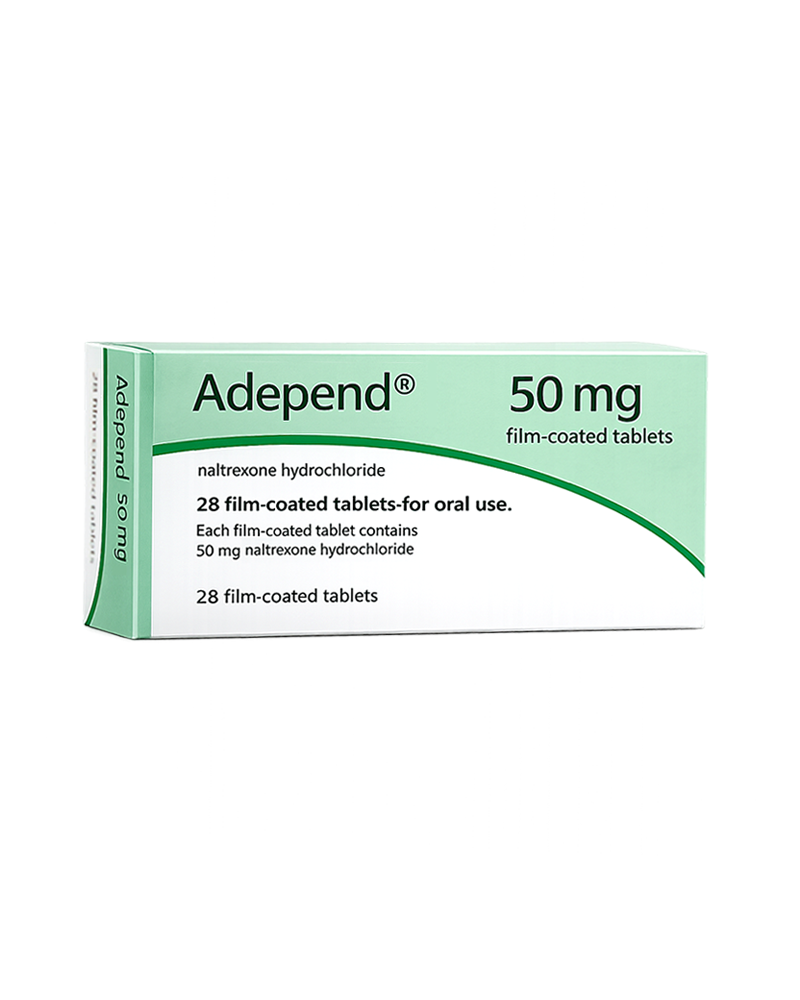
Naltrexone
naltrexone hydrochloride
 Opioid
Antagonist
What it is
Naltrexone is an opioid antagonist taken as a daily oral tablet. It works by blocking the reward pathways in the brain that make drinking alcohol feel pleasurable.
How it works
It binds to opioid receptors in the brain and blocks them completely. This removes the pleasurable feelings associated with drinking, reducing the urge to drink and the amount consumed.
Reduction in drinking
50% reduction in number of drinking days reported in clinical trials, alongside reduced relapse rates in patients who had stopped drinking.
Dosing
50 mg once daily, taken orally. Taken every day regardless of whether you plan to drink. Best used alongside psychological support or a structured treatment programme.
Who it is for
Adults with alcohol dependency who want to maintain abstinence from alcohol, or those aiming to significantly reduce their drinking as part of a treatment plan.
Side effects
- Nausea and stomach upset (most common, usually early on)
- Headache and difficulty sleeping
- Fatigue and reduced energy
- Anxiety or low mood in some patients
Not suitable if
You are currently taking opioid-based medicines or painkillers, have liver disease, are dependent on opioids, or are pregnant or breastfeeding.
Medication 02
Prescription Only
UK Licensed
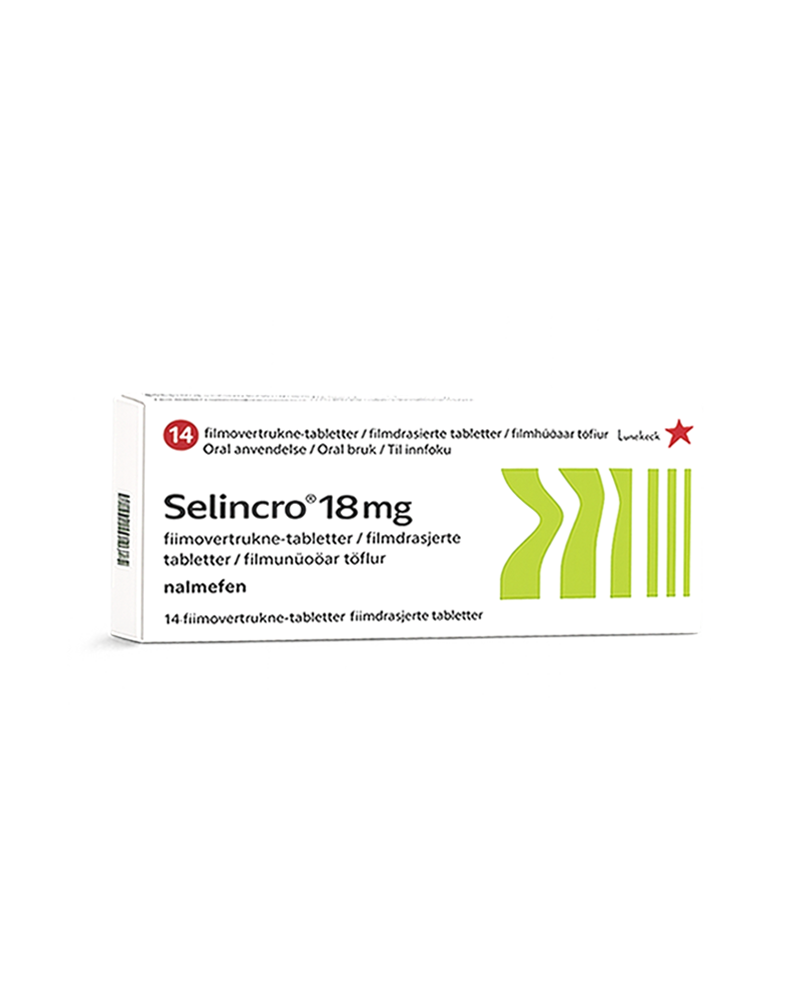
Nalmefene
nalmefene hydrochloride
 Opioid Partial
Antagonist
What it is
Nalmefene is an opioid system modulator taken as a tablet on days when you feel at risk of drinking. Unlike Naltrexone, it does not need to be taken every day.
How it works
It partially blocks and partially activates opioid receptors in the brain, reducing the reward and pleasure associated with alcohol. This makes drinking feel less satisfying and helps reduce the amount consumed.
Reduction in drinking
Up to 61% reduction in heavy drinking days reported in clinical trials (ESENSE studies), with significant decreases in total alcohol consumed per month.
Dosing
18 mg taken as needed, ideally 1 to 2 hours before you anticipate drinking. Not taken every day. You do not need to stop drinking before starting treatment.
Who it is for
Adults with alcohol dependency who are drinking at high risk levels and want to reduce, rather than stop, their alcohol intake. Suitable when abstinence is not the immediate goal.
Side effects
- Nausea and dizziness (most common)
- Insomnia and unusual or vivid dreams
- Headache and reduced appetite
- Fatigue and difficulty concentrating
Not suitable if
You are taking opioid-based medicines, have severe liver or kidney disease, have a history of recent opioid use, or are pregnant or breastfeeding.
Side-by-Side Comparison
| Naltrexone | Nalmefene | |
|---|---|---|
| Drug class | Opioid Antagonist | Opioid Partial Antagonist |
| Form | Oral tablet | Oral tablet |
| Dosing | 50 mg once daily | 18 mg as needed |
| When to take | Every day | Before anticipated drinking |
| Treatment goal | Abstinence from alcohol | Reduction in alcohol intake |
| Must stop drinking first | Yes, before starting | No |
| Clinical evidence | 50% reduction in drinking days | Up to 61% fewer heavy drinking days |
| UK licensed | Yes | Yes |
Clinical Disclaimer
This page is for informational purposes only and does not constitute medical advice. All prescriptions are issued following a clinical assessment by a UK-registered pharmacist prescriber. These medications are not suitable for everyone. Always read the patient information leaflet. If you experience serious side effects, call 111 or seek medical attention.
